🤕
Help for your head.
Your brain may be the single most vital organ that you have. It controls every aspect of body function and inherrent experience. Damage to the brain can affect any, and/or all aspects of body function, mood, mental clarity, and quality of life. There are many autonomic processes the brain controls that we may take for granted, like digestion, temperature regulation, healing, heart rate etc. As well as voluntary functions like speech, facial expressions, and movement.
No two brain injuries are alike.Genetics, experieces (especially during growth), lifestyle, and the nature and location of the injury are all variables that contribute to the outcome for each person.
What is a brain injury?
A brain injury is any type of injury to your head. A traumatic brain injury (TBI) is considered more intense. A mild traumatic brain injury (mTBI) is considered less intense, but the terms may sometimes be used interchageably as simply “TBI”.
There are many things that can cause an injury to the brain:
- Direct impact — this may be one really hard hit, or several smaller hits, hits over time, or a hit at the exact wrong location that causes notable damage no matter how small the hit seemed.
- Drugs — whether illicit, or prescribed, certain substances can have a negative profound imact on the brain. Some can do damage even in small doses. The brain has to try to get these out. In the interim, cell death can occur, weakening or even destroying neurons (brain cells). Alcohol and cannibis are common examples. Alcohol is one of the most common drugs that is damaging to the brain. The more and/or more often you indulge in alcohol, the more damage the brain sustains. Chronic cannibis use can cause permanent damage to the parts of the brain responsible for short term memory.
- Hypoxia — loss of oxygen to the brain during birth, near drowning, suffocation, cardiac arrest, loss of cabin pressure on a plane, etc can cause damage to the brain. The brain can only live for about six minutes without oxygen. Cerebral palsy is a condition that is caused by lack of oxygen to the brain.
- Illness — a high fever for too long, or a brain specific illness, like spinal menegitis, can cause damage to the brain.
- Inflammation — the brain is inside your skull. The bones of the skull do not move very much. Prolonged or severe inflammation can cause brain cells to be crushed resulting in hypoxia or tissue damage. Chronic high sugar intake is a sneaky source that can cause damage over time. The associated insulin spikes can damage blood vessels in the brain that bring oxygen and nutriens, leading to cognitive decline and even demetia.
- Severe psychological trauma — as a thinking organizm, the brain can have reactions to psychological (mental or emotional) trauma that result in physical changes to the brain
- Stroke — a stroke is a blood clot in the brain. areas surrounding the clot are unable to get blood flow. Further, damage can come from free radicals resulting from any damaged tissues.
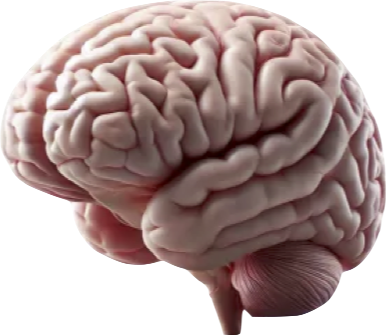
It’s not too late.
While damage to the brain can be debilitating, the brain is an amazing organizm with the ability for tremenous healing. Given the tools and support needed, the brain can do amazing things.
The brain is notorious for learning. Neuropathways are like paths between neurons (brain cells) that communicate with eachother to accomplish a task. The brain makes a path for each thing it learns.
If the path is new, it may be likened to making your way through a desert or a jungle. Once the path has been made it may be similar to a horse trail or narrow hiking trail. The more times the path is used (ie practice), it will become bigger, like a bike trail, then a country road, to a major freeway.
If a path is damaged via injury, you may clearly remember doing something that now, you cannot. A new path must be made to go around the damaged area.
This can be a lot of work, and very strange if you remember doing the activity perfectly that you are now unable to, but you CAN learn to do it again. In fact, sometimes the brain will even find and learn a better way.
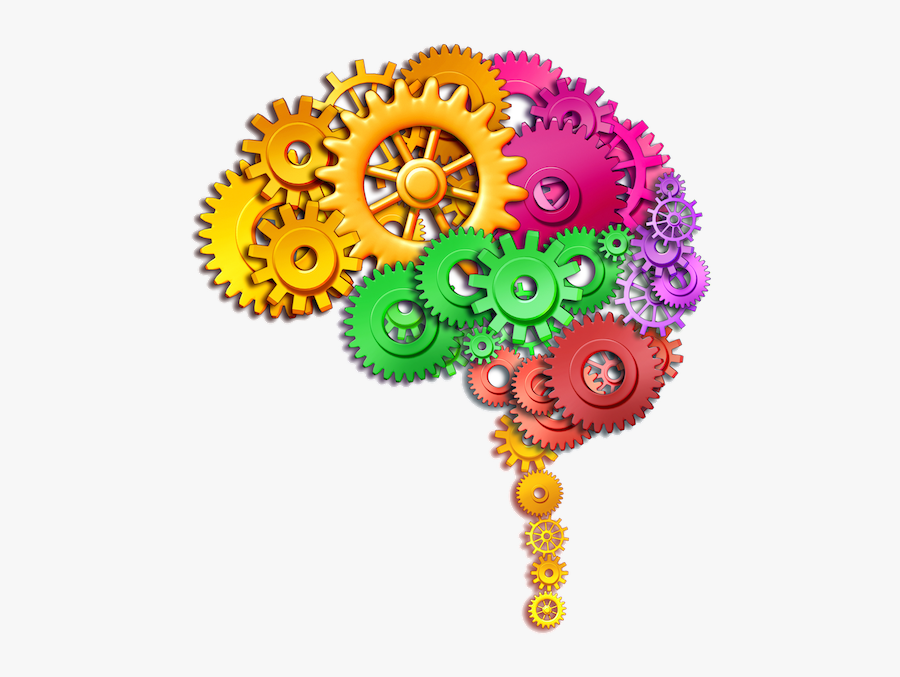
Driving the Gears in Your Brain.
Your brain and body are one and support each other. Signals from the body help to drive the brain.
Exercise provides a lot of good signals to drive the brain to heal and adapt while increasing circulation to deliver oxygen and nutrients to help.
This is why exercise is a critical component for any brain injury rehabilitation.
In some cases the ability to move was damaged by the brain injury. If this is the case, it will help for the survivor to move how and what they can. They may even gradually get more function in a part that lost movement.
For example: if one arm is paralyzed, after exercising the working arm, immobilize it and try to move the immobile arm. No matter how seemingly futile and frustrating this may be the mental visualization and frustration is giving the brain instructions to heal and although neuronal growth can be slow or difficult, it can be done and people have made amazing gains in being able to regain function.
In the case of spinal cord damage resulting in paralysis from the neck down, muscle stim can be used to help provide tremendous health benefits for the survivor.
Your Magical Brain.
Self-awareness
Self-awareness for the brain is a very powerful. If the brain can become self-aware of deficits or dysfunction in areas of itself it can much more easily fix them. This principle is what many therapies are based on, and why they are successful.
Thoughts and feelings count.
Further, every cell, or group of cells, in a sense seems to have their own thoughts and feelings that contribute to the greater whole. We also have thoughts and feelings those cells are aware of and can hear. There isn’t a thought or feeling that does not create a physiological response. Unresolved negative emotions or thought patterns surrounding an injury can impede healing.
A survivor’s story:
For example, one survivor who had suffered tremendous left-brain damage. They had been stuck in their healing process and were surprised to make tremendous unexpected progress through brainspotting. After their therapy the described having come to a profound awareness of processes their brain had been struggling with that they had not imagined, nor been consciously aware of.
The survivor described coming to a realization that the healthy, surrounding parts of the brain had thought of the injured part as a best friend, and while they were physically unharmed, they suffered deep emotional pain at seeing their best friend so damaged and suffering.
It was hard for the healthy parts or the conscious mind to even “look” at that part of the brain, or accept it in its state regardless the life it still had. (Imagine seeing a close friend who was a dancer and runner become an amputee.)
What this meant in physical terms is that the neurons were not talking to each other to be able to function optimally.
Further, the injured part while embarrassed, ashamed, and saddened by its loss of aesthetics and function, became only more isolated and sad at the loss of its friends and sense of usefulness.
These complex emotional aspects of the brain affected healing and function profoundly.
Immediate improvement.
The survivor went on to describe how this awareness helped them to see and do the work that was needed to emotionally accept the injured parts, embracing and including them in mental activities as they were able. Healthy parts expressed their willingness to pitch in to do tasks that part of the brain had formerly done, out of love while the injured part healed and re-learned its tasks. It completely changed the perspected from one of uselessness, failure, and rejection, to one of support, cooperation, love, and inclusion.
For this survivor it meant that their brain now recognized parts that had healed but been forgotten, and found parts that had been knocked offline, but not injured. Thier brain then rebooted those parts brining them back online. Immediately improving and regaining functions that very day, that had previously been lost for years.
Types of therapies that can be profoundly helpful in brain healing through supporting brain self-awareness are:
-
- Neurofeedback
- Brainspotting (BSP)
- Vision Therapy
- Quantum Hypnosis (theta-state hypnosis)
Other practicies and modalities helpful to enhance positive emotions and healing:
-
- Meditation
- Trapped emotion release and repurposing (ERR)
- Time reflecting in nature
- Humming and singing
- Sound therapy
Try as many things as you can. You may get different improvements with each one.
If resources have become an obstacle, ask about paying on a sliding scale, trade, community resources, intern programs, and do the things that are free whenever you can.
Food for Thought.
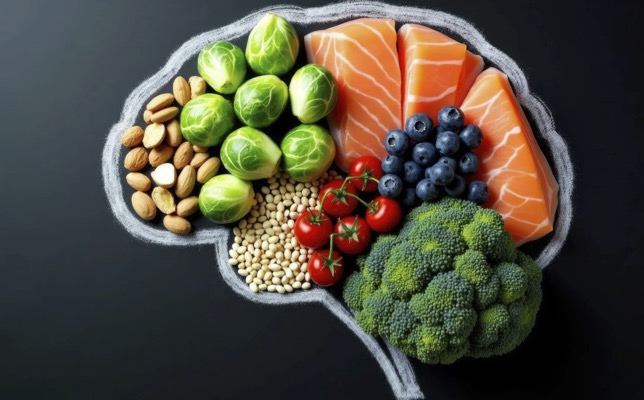
The brain uses certain nutrients to build its structure, make neurotransmitters, detoxify, and even just to think.
When injured, certain nutrients become critical and in even more demand.
Due to unique genetic and injury differences, it is always best to work with a specialist. However, below are a few things that are generally helpful for healing brains:
- Hydration — this can be tricky if you lost the sensors that let you know when you are thirsty or have enough. You may have to manually set reminders if your brain isn’t reminding you on its own. Your brain can’t heal if it’s dried up. DO NOT DRINK ALCOHOL! This is VERY damaging to the brain and if you are injured it cannot tolerate even a little.
- Adequate protein — aim for 0.8 to 1.0 grams per pound of body weight per day of protein. Make sure some of that is from whole animal sources. People think of protein for muscles, or maybe even hair and nails, but it is in your bones, your blood cells, and more. When protein is broken down to its smalles form, it is called an “amino acid” there are several amino acids we can only get from eating certain foods. These are critical! Besides being the building blocks for so many body parts, the body uses amino acids to make signalling molecules called peptides. These peptides are how the body knows to get things done. Some of the amino acids are also used to make hormones like, thyroid and testosterone, or neurotransmitters (hormones for your brain) like dopamine, that help make you happy.
- Healthy fats — your brain and much of the nerves/nervous system is made of fat. Physphatidylcholine is a type of fat combined with choline that makes up a whopping 35% of the grey matter in your brain. Omega 3 (EPA), and 6, fatty acids are critical building blocks for your brain. During healing your brain could use more DHA also. Grass-fed meats, fish, free-range eggs, and flaxseed, borrage seed, walnuts, can be some sources for these in your diet, but you may benefit from supplementing to get enough during healing. If you use a supplement, make sure it has been purified and tested to be free of heavy metals and toxins. You may benifit from as much as 5-10 grams of healthy fish oil while your brain is healing.
- Healthy carbohydrates (carbs) — this is a tricky category. The brain may be starving for energy and have lost its ability to handle insulin well. This may make you crave carbs, but if you have too many, or eat really simple/sugary ones, it will make everything so much worse. It will increase inflammation in both the body and the brain and make it even harder to heal. That said, your brain likely will not do well with a low carb or keto diet in this state either. The key is balance! Have some protein with your carbs, and try to choose organic vegetables and fruits for your carbs as much as you can. Whenever you eat, limit your carbs to less than 40g at one time. Then give your body 2-3 hours to process that before loading up more.
- Beneficial Supplements —
- B Complex (many people have genetic SNP’s for these and need specific forms and amounts) — this is critical for energy, detoxification, and many other proecesses in a healing brain.
- Phosphatidylcholine
- EPA/DHA — together in a clean, high quality fish oil, and you may want to add a little concentrated DHA
- Inositol powder — specifically powdered and usually myoinositol, because you may need as much as 12g while healing. This nutrient is a precursor for all synapses. (a synapse is when neurons send a signal to eachother)
- Amino acids — specific amino acids your body does not have to break down can help at this time. Taking one or two in high amounts for long periods can throw the system out of balance, so it’s highly recommended you work with a specialist to help you. Specific amino acids like N-acetylcistine (NAC), argening, lysine, tyrosine, and glycine can be like medicine for your brain if given in the right amounts at the right times.
There may be other nutrients that you personally would benefit from, that can help you recover faster, and better.
Brain injury can be challenging. We would LOVE to see you up and happy, doing your thing!
💜 for your Brain
TEXT us and mention this article for $25 off a consult and/or
10% off any supplements.

What are you waiting for?
- Improve your energy
- Regain function
- Improve mental clarity and mood
Brain injury can be scary. Things can seem fine to you while others can see they are not. Things may also seem impossible.
Your body and brain can be amazing and magical. Don’t give up on them! You can do this. We are here to help.
Unlock the secrets to your body’s power to feel great. Learn what you need to heal and take back your life.
Experts who care are waiting to help you reach your highest potential.
References
- Sasidharan, Shibu et al. “Reframing the “mild” in mild traumatic brain injury: A comprehensive narrative review of diagnosis and treatment paradigms.” Brain circulation vol. 12,3 257-269. 9 Mar. 2026, doi:10.4103/bc.bc_52_25
- Silverberg N, Iverson G, Cogan A … The American Congress of Rehabilitation Medicine Diagnostic Criteria for Mild Traumatic Brain Injury, Archives of Physical Medicine and Rehabilitation, 2023; 104, 1343-1355
- D’Alonzo, Bernadette A et al. “Comparison of different definitions of traumatic brain injury: implications for cohort characteristics and survival in women, Philadelphia, USA.” Injury prevention : journal of the International Society for Child and Adolescent Injury Prevention vol. 31,3 198-204. 20 May. 2025, doi:10.1136/ip-2023-045069
- Nutt, David et al. “Alcohol and the Brain.” Nutrients vol. 13,11 3938. 4 Nov. 2021, doi:10.3390/nu13113938
- Singh N, Nandy SK, Sharma A, Vansh, Siddiqui AJ, Sharma L. Chronic Alcohol Use and Accelerated Brain Aging: Shared Mechanisms with Alzheimer’s Disease Pathophysiology. Brain Sciences. 2026; 16(1):35. https://doi.org/10.3390/brainsci16010035 Available from: https://www.mdpi.com/2076-3425/16/1/35
- Erdozain, A. M., Morentin, B., Bedford, L., King, E., Tooth, D., Brewer, C., … & Carter, W. G. (2014). Alcohol-related brain damage in humans. PloS one, 9(4), e93586. Available from: https://journals.plos.org/plosone/article?id=10.1371%2Fjournal.pone.0093586